Entry · Ref 3FOTZ7SA
Practical Steps for Fall Risk Prevention Elderly Adults and Their Families
- Posted
- 2026-10-07
- Last amended
- 2026-10-07
- Account
- @unjid35va9
Understanding the Real Risks of Falling
Falls are not a normal part of aging, but they are a serious risk for older adults. I have worked with seniors for years, and I have seen how a single fall can change everything. It can lead to a broken hip, a fear of walking, or a sudden loss of independence. The good news is that most falls are preventable with the right approach. This article focuses on fall risk prevention elderly individuals and their caregivers can use every day.
When I first started visiting assisted living communities, I noticed that many residents avoided walking because they were scared. That fear itself is dangerous. It leads to weaker muscles, less balance, and an even higher chance of falling. So real prevention is not about wrapping someone in bubble wrap. It is about building strength, improving the home environment, and understanding the specific risks each person faces.
Why Older Adults Fall: Common Causes
Falls usually happen because of a combination of factors, not just one. I have seen residents trip over loose rugs, slip on wet floors, or lose their balance because of unsteady furniture. But the deeper causes often involve medication side effects, vision changes, or muscle weakness. For example, blood pressure pills can cause dizziness, and new glasses can distort depth perception. These small issues add up.
One woman I knew had been walking fine for years. Then she started a new medication for her heart. Within a week, she felt dizzy when she stood up too fast. She did not connect the two things. Her doctor had not warned her. That is why family members and caregivers need to look at the whole picture. A fall is rarely just a clumsy moment. It is a signal that something else is going on.
Simple Changes That Make a Big Difference
Prevention does not require expensive equipment or major renovations. Small, practical changes work best. Here are a few I have seen help many seniors:
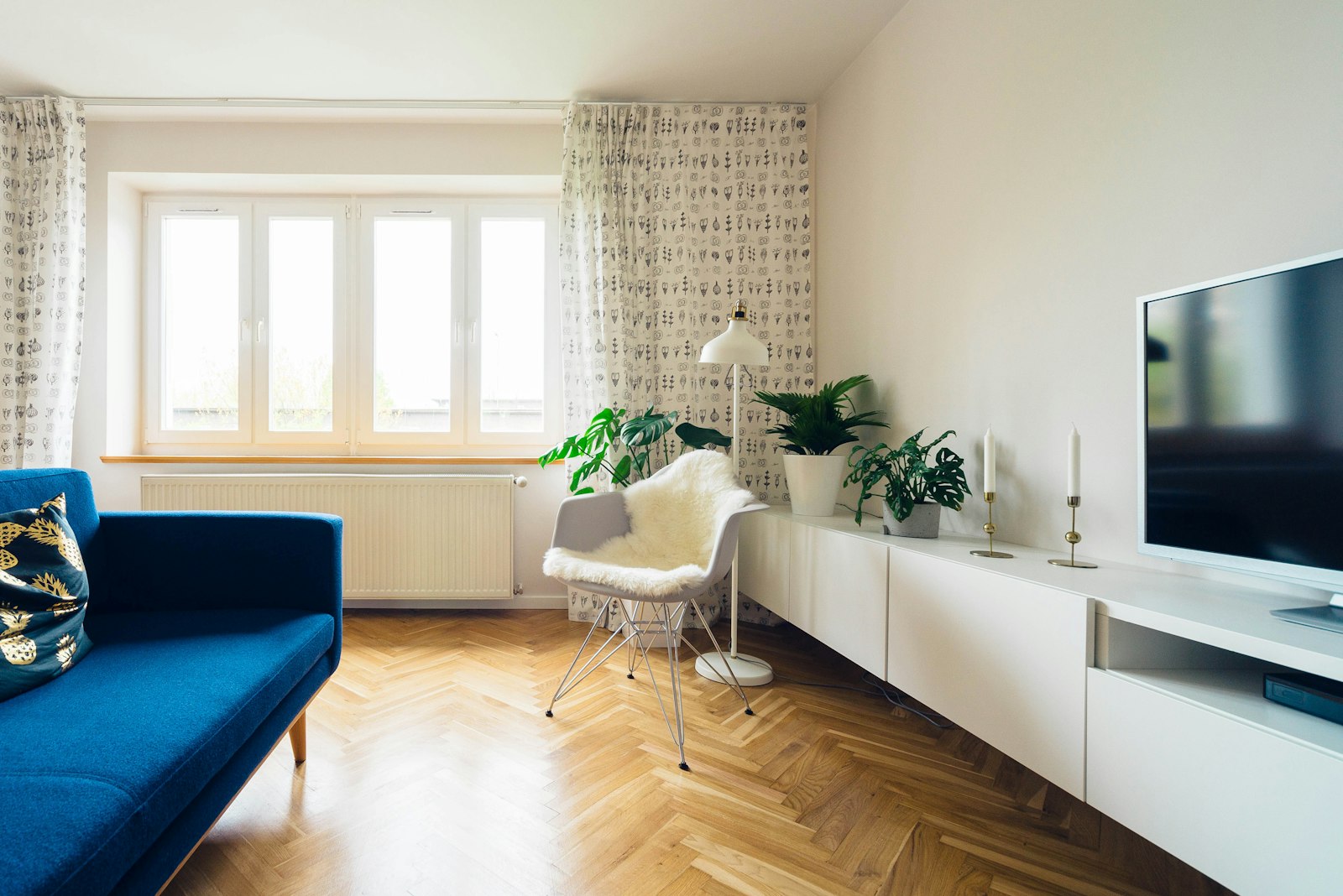
- Remove loose rugs and clutter from walkways. A vacuum cord or a stack of magazines can be a tripping hazard.
- Install grab bars in the bathroom near the toilet and shower. They are not just for people who already use a walker. They give extra stability for anyone.
- Improve lighting, especially at night. Nightlights in the hallway and bathroom help prevent middle-of-the-night falls.
- Keep frequently used items within easy reach. Storing pots on a lower shelf or keeping a phone on a bedside table reduces the need to stretch or bend.
These are not complicated ideas, but they are easy to overlook. I have walked through many homes and seen how a few small changes can turn a dangerous space into a safe one. The key is to think like someone who has trouble with balance. If you have to walk across a slippery floor to answer the phone, that is a risk. If the stairs have no handrail, that is a risk. Fix those first.
Building Strength and Balance
Exercise is one of the most effective tools for fall risk prevention elderly adults can use. But not all exercises are helpful. I recommend focusing on balance and leg strength. Simple activities like standing on one foot while holding a chair, or walking heel-to-toe, can improve stability. Tai chi is excellent for balance, and chair yoga works well for people with limited mobility.
One resident I worked with started doing leg raises every morning while she brushed her teeth. Within a month, she could walk to the dining room without holding the wall. That small habit made a real difference. The goal is not to become a gym athlete. It is to keep the muscles you need for everyday movement. Strong legs and a good sense of balance are your best protection against a fall.
I also encourage seniors to work with a physical therapist if they can. A therapist can design a program that targets specific weaknesses. For example, if you have trouble getting up from a chair, they can teach you exercises that strengthen your thighs and improve your coordination. This is not about treating an injury. It is about preventing one from happening in the first place.
Medication and Vision Checks
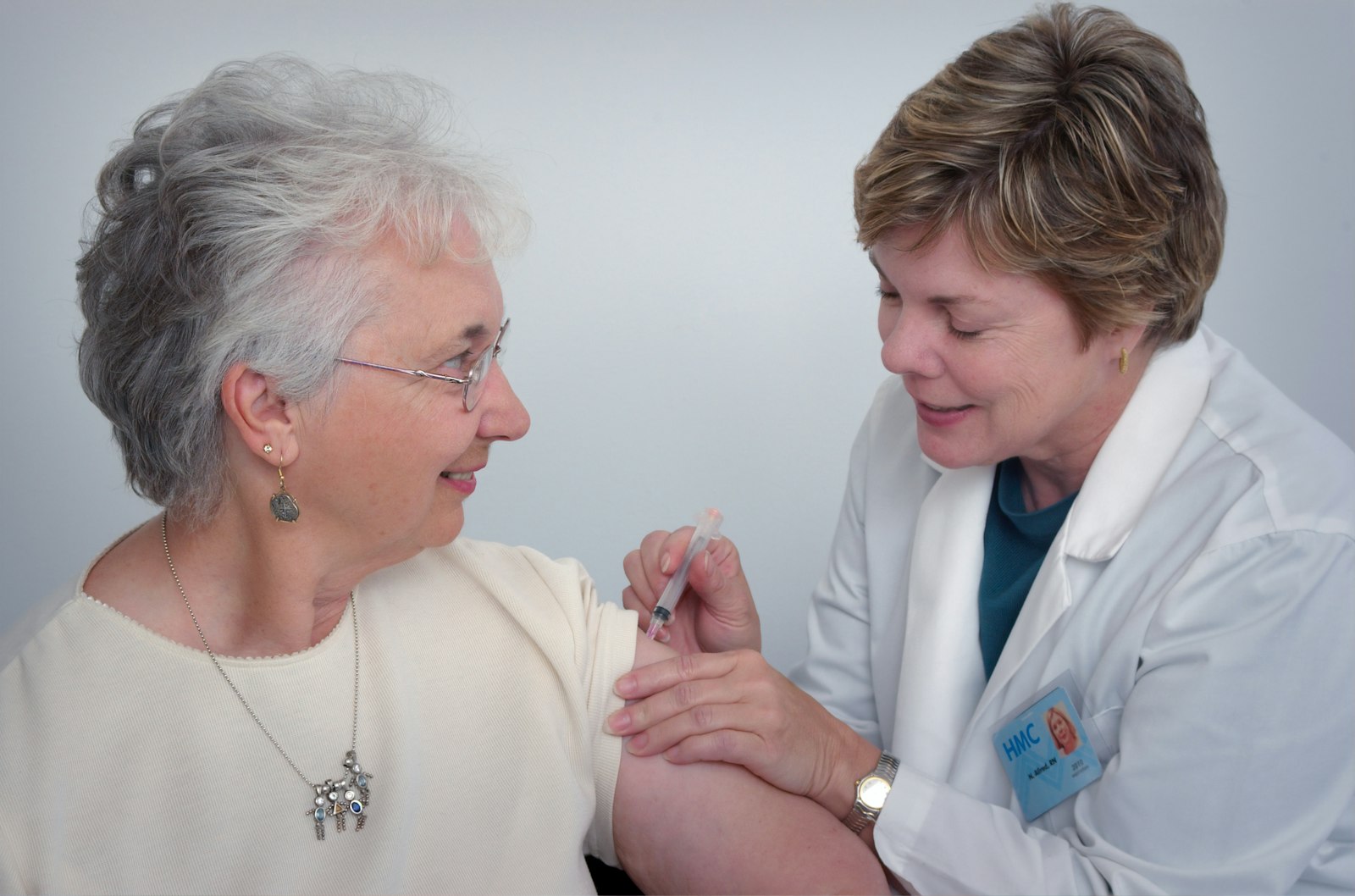
Falls often happen because of things that are not visible. I have seen many seniors who take multiple medications, and the side effects can be subtle. Dizziness, drowsiness, or low blood pressure can all increase fall risk. I recommend reviewing medications with a doctor at least once a year. Ask specifically about fall risk. Some drugs can be replaced with safer alternatives.
Vision is another factor. As we age, our eyes change. Bifocals can make it hard to judge distances. Cataracts can blur vision. I have seen seniors trip over a step that looked flat to them. An annual eye exam is essential. And if your parent or friend gets new glasses, give them time to adjust. They may feel off balance for a few days. That is normal, but it is a good time to be extra careful.
When to Consider Extra Help
Sometimes, despite your best efforts, the home environment is not safe enough. That is when a move to assisted living or memory care can be the right choice. These communities are designed with fall prevention in mind. They have handrails, non-slip floors, and staff trained to watch for balance issues. They also offer social activities that keep residents moving, which helps maintain strength.
I have seen families struggle with this decision. No one wants to leave their home. But I have also seen the relief that comes when a senior moves to a place where they feel safe. They stop worrying about every step. They start joining group exercise classes. They make new friends. The fall risk does not disappear, but it is managed by people who know what they are doing.
Hibiscus Court, located at 540 E Hibiscus Blvd, Melbourne, FL 32901, USA, offers assisted living, memory care, and respite services with personalized support for seniors and their families. You can call them at +1 321-361-5997 to learn more about their approach to safety and well-being.
Staying Active and Engaged
Preventing falls is not just about avoiding injury. It is about staying connected to life. I have seen seniors who stopped going to church or visiting friends because they were afraid of falling. That isolation is harmful in its own way. It leads to depression, muscle loss, and a decline in overall health. So prevention should also include ways to stay active and social.
I encourage families to find activities that are both safe and enjoyable. Walking groups, gardening clubs, or even just a weekly coffee date can keep a senior moving and engaged. The key is to adapt the activity to the person's abilities. If walking is hard, try seated exercises. If balance is poor, use a walker or a cane. The goal is to stay involved, not to sit on the couch.
One of the best things I ever saw was a group of seniors who started a walking club in their retirement community. They walked every morning, rain or shine. They held each other's arms on uneven ground. They cheered when someone made it a little farther than the day before. That kind of support is priceless. It turns fall risk prevention elderly care into a team effort, not a lonely struggle.
Final Thoughts
Falls are not inevitable. With the right knowledge and a few practical changes, most seniors can stay safe and independent for years longer. The most important step is to start now. Do not wait until after a fall to make changes. Assess the home, talk to a doctor, and find an exercise routine that works. And remember that asking for help is not a sign of weakness. It is a sign of wisdom.
Connect with us on Facebook.